


Since 1898
Since 1898
*using high quality
domestic and imported parts

Cargo Bikes 101: Why Strong Engineering Determines Performance, Safety, and Long-Term Value
 Cities, families, and businesses rely on transportation that moves goods efficiently, navigates crowded streets, and avoids the financial burden of vans or fuel costs. Cargo bikes solve these problems with surprising effectiveness. The concept seems simple, yet performance varies dramatically across manufacturers. The only consistent advantage comes from purpose-built engineering aimed at strength, stability, and daily reliability.
Modern cargo bikes must function as working vehicles, not recreational accessories. Any design that fails under load, flexes unpredictably, or loses structural integrity is a liability. Strong engineering determines whether a cargo bike becomes a practical tool or a fragile novelty.
Cargo Bikes Differ More Than Most Riders Expect
Although many bicycles carry baskets or small racks, true cargo bikes distribute weight across specially engineered frames and wheel systems. A cargo bike must absorb torque, maintain alignment with uneven loading, and support heavy weights without instability. Designs that treat cargo capacity as an afterthought cannot deliver these results.
Cargo bikes built for real utility share several traits:
- Reinforced frames that avoid flex under significant weight
- Wider wheelbases that maintain balance
- Strong braking systems that stay reliable over time
- Purpose-built cargo platforms that resist twisting
When these components align, the cargo bike moves confidently through daily workloads. When they do not, the bike becomes unreliable and unsafe.
Major Cargo Bike Types and the Problems They Solve
Different designs serve different needs. Understanding the distinctions helps riders and businesses select models that match their daily realities.
- Front Loader Cargo Bikes: These models position cargo in front of the rider, improving visibility and balance. Families appreciate the ability to watch children. Businesses value predictable weight distribution. When built with strong materials and tight tolerances, front loaders handle substantial loads without wobbling.
- Long Tail Cargo Bikes: Long tails extend the rear frame to create additional cargo space. Riders often choose them for mixed passenger and freight use. The extended rear triangle must remain rigid. Weak frames bend over time, which causes alignment issues, braking inconsistencies, and unpredictable cornering. Strong engineering eliminates these problems.
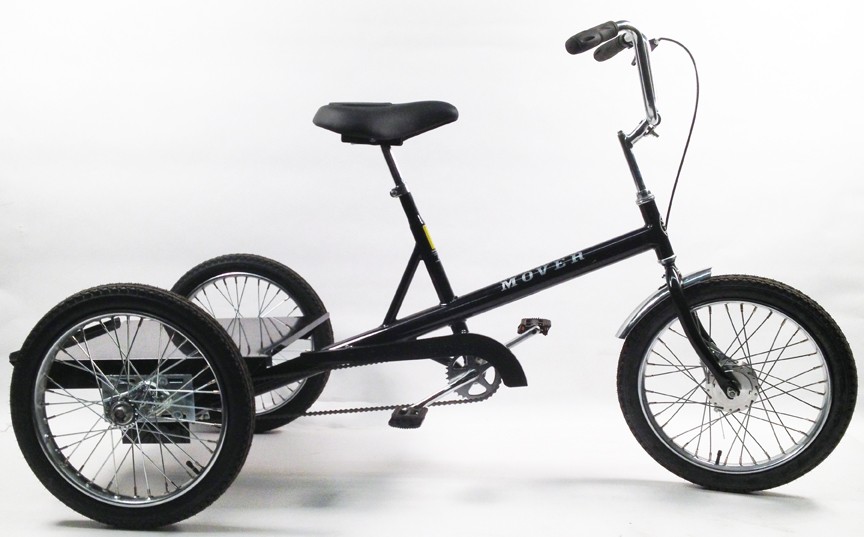
- Cargo Tricycles: Cargo trikes address instability caused by shifting loads during turns. Two wheels, whether in the rear or the front, create a stable platform. Industrial users rely on cargo tricycles for transporting tools, packages, equipment, and materials across campuses or facilities. The frame must withstand relentless daily stress. Manufacturing shortcuts are quickly evident in this category.
- Electric Cargo Bikes: Electric assist changes the workload. Riders maintain speed, climb hills, and travel longer distances with less effort. The motor amplifies torque, which places additional stress on the frame. Only well-engineered cargo bikes handle this pressure over time. Cheap frames crack, warp, or misalign once consistent torque is applied.
Cargo Bike Costs Reflect Engineering, Not Branding
People often compare prices without understanding the relationship between cost and structural strength. Cargo bikes built for practical transportation require more robust materials, stronger welds, better components, and reliable wheels. These factors increase costs, yet they save money over time because the bike lasts longer.
Key cost drivers include:
- Frame material and thickness
- Wheel strength and spoke configuration
- Braking systems with proven reliability
- Drivetrains built for heavy loads
- Cargo platforms designed to resist twisting
- Electric assist systems that integrate safely with the frame
When riders or businesses choose the cheapest option, they often discover hidden costs. Repairs accumulate, components wear prematurely, and structural issues appear under real-world use. Strong engineering avoids these failures.
Choosing Cargo Bikes for Daily Life and Work
A functional cargo bike must match the rider’s hauling needs, travel patterns, storage constraints, and physical expectations.
- Cargo Bikes for Families: Families rely on stability and reliability. Children, pets, and groceries require balanced weight distribution and comfortable handling. Poorly engineered cargo bikes feel unstable during turns or when braking. Stronger designs remove that fear and provide consistent control.
- Cargo Bikes for Local Deliveries: Delivery operations demand agility, uptime, and predictable performance. A cargo bike must withstand repeated loading cycles, curbs, potholes, and hurried stops. Weak frames fail quickly in these settings. Purpose-built cargo bikes support long delivery routes without loosening, misaligning, or producing unsafe steering drift.
- Cargo Bikes for Industrial and Campus Use: Factories, universities, warehouses, theme parks, and resorts rely on cargo tricycles and utility bikes to replace golf carts or motorized vehicles. These workloads strain frames, hubs, and wheels far more than recreational riding. Only premium-level engineering tolerates that level of continuous duty.
- Cargo Bikes for Commuters: People using cargo bikes for daily commuting need a stable, predictable ride. Weather exposure, vibration, and repeated use test component durability. A well-engineered cargo bike maintains its structure without developing play, noise, or misalignment.
Stability Determines Safety, and Engineering Determines Stability
Cargo bikes face forces that standard bicycles never encounter. Heavy loads shift unpredictably. Racks transfer torque through the frame. Electric assist amplifies stress. Potholes and curbs challenge wheel and hub integrity. These factors affect safety directly.
Strong engineering provides:
- Predictable turn behavior even under asymmetric loads
- Confidence when braking under full cargo weight
- Resistance to frame flex
- Straight alignment over years of use
- Reduced maintenance costs
- A longer lifespan
Riders and businesses should choose cargo bikes that approach transportation as a structural problem, not a recreational hobby.
Why Manufacturing Discipline Matters for Cargo Bikes
A cargo bike becomes part of daily life. Families trust it. Businesses depend on it. Industrial settings run on it. That level of responsibility requires real engineering oversight.
Tighter quality control delivers:
- Stronger weld penetration
- Better material selection
- Proper wheel tensioning
- Robust component integration
- Safer alignment under load
Businesses often discover that cargo bikes built without these standards fail early. Structural issues, wheel failures, braking inconsistencies, and alignment problems appear quickly when the bike enters heavy-duty service.
Cargo bikes built with disciplined engineering thrive under the same workload.
Cargo Bikes Earn Their Value Through Strength, Not Marketing Claims
Real cargo bikes succeed when their frames, wheels, cargo platforms, and braking systems handle daily stress without compromise. Families gain safe transportation. Businesses gain efficiency. Industrial teams gain reliability. Every advantage comes from engineering, not hype.
A properly built cargo bike becomes a durable transportation system that enhances mobility, lowers long-term costs, and supports demanding workloads. The argument is straightforward. Strong engineering shapes performance, safety, and trust, and cargo bikes depend entirely on that foundation.